The Growth of WebAssembly (Wasm) and High-Performance Web Apps

The web is evolving faster than ever and one of the biggest game-changers is WebAssembly (Wasm). If you’ve heard the term but never understood why everyone is talking about it, here’s a quick and clear breakdown.

    What Is WebAssembly (Wasm)?
    WebAssembly is a low-level, super-fast binary format that runs in the browser.
    Think of it as a way to bring the speed of languages like C, C++, Rust, or even Go to the web.
    Instead of relying only on JavaScript, developers can now build powerful web apps that feel almost like native desktop software.

    Why Is Wasm Getting Popular?

  • Speed That Feels Native
  • Wasm runs at near-machine speed, making it perfect for apps that need heavy processing like video editing, games, simulations, and analytics dashboards.

  • Works With All Major Browsers
  • Chrome, Firefox, Safari, and Edge all support WebAssembly. No additional plugins required.

  • More Languages, More Possibilities
  • Developers can write code in multiple languages and compile it to Wasm.
    This opens the door for apps that were previously “impossible” on the web.

  • Better Security & Stability
  • Wasm runs in a sandboxed environment, giving high performance without compromising security.

    Where Is WebAssembly Used Today?

  • Online video/audio editors
  • Browser-based 3D/AR applications
  • High-performance dashboards
  • Scientific simulations
  • Gaming engines running inside websites
  • Faster eCommerce experiences
  • Companies like Adobe, Figma, AutoCAD, and Unity are already using Wasm to bring desktop-style apps to the browser.

The Future of Wasm
In 2025 and beyond, WebAssembly is expected to become a core part of modern web development. As the web demands more power, Wasm bridges the gap between traditional apps and the web environment unlocking new possibilities for performance-heavy applications.
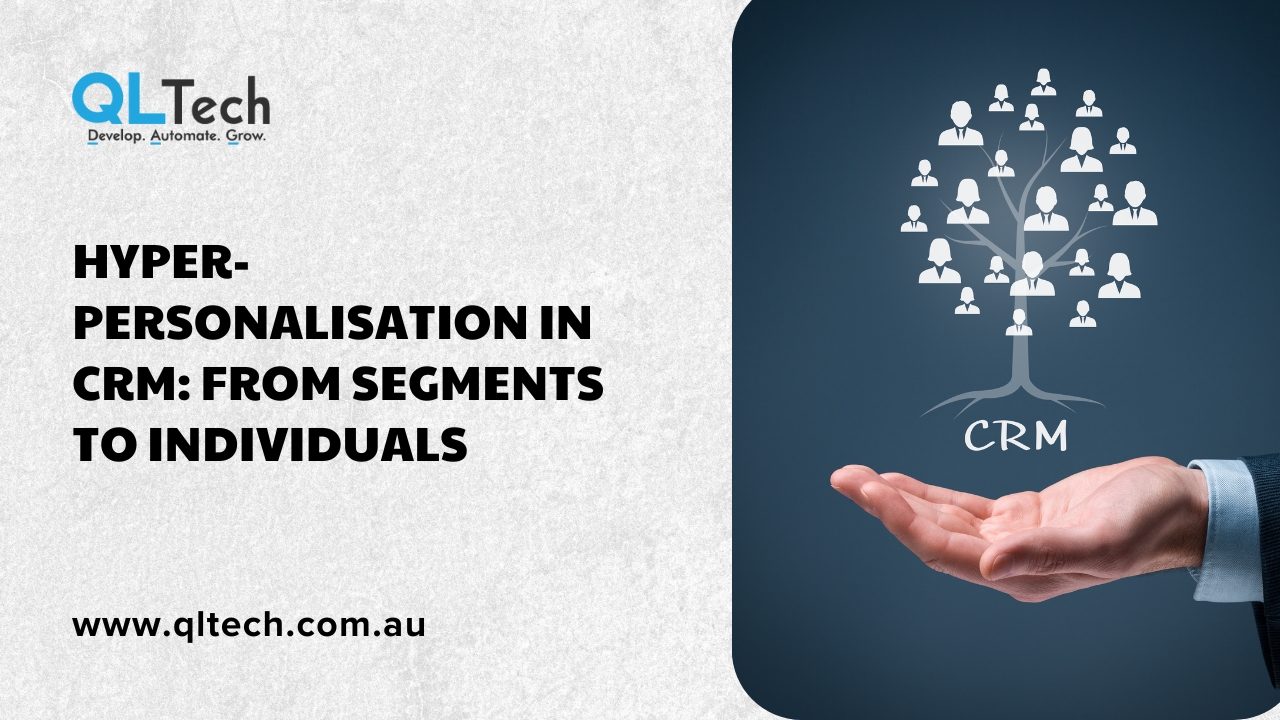
Hyper-personalisation in CRM: From Segments to Individuals

In today’s fast-paced digital world, customers expect more than just generic messages or broad marketing segments — they expect experiences tailored uniquely to them. That’s where hyper-personalisation in CRM (Customer Relationship Management) comes in.

    What is Hyper-Personalisation?

    Hyper-personalisation goes beyond traditional personalisation like using a customer’s name or location. It uses real-time data, AI, and predictive analytics to deliver content, recommendations, and services that match an individual’s specific needs and behaviours.

    According to McKinsey, companies that excel at personalisation generate 40% more revenue from these activities than average players. This shows how impactful personalisation can be when powered by data-driven CRM systems.

    How Modern CRMs Enable It

    Advanced CRM platforms today combine:

  • AI and Machine Learning:
  • To predict what each customer wants next.

  • Behavioural Data Tracking:
  • To analyse clicks, purchases, and communication patterns.

  • Real-Time Automation:
  • To send the right message or offer at the exact moment it’s most relevant.

    For example, a CRM can detect when a customer frequently browses a product but hasn’t purchased — and trigger a personalised offer or reminder instantly.

    Why It Matters in 2026

    With the rise of AI-powered CRM tools like Salesforce Einstein and HubSpot AI, businesses are moving from managing contacts to managing individual journeys. Customers, in turn, reward brands that “get them” — studies show 80% of consumers are more likely to buy from brands offering personalised experiences (Salesforce Research, 2025).

    The Takeaway

    Hyper-personalisation is no longer a luxury — it’s the new CRM standard. Businesses that invest in intelligent, data-driven CRM systems will not only understand customers better but also build loyalty that lasts.

As we move through 2026, the winners in customer relationships will be those who treat every customer not as a segment, but as a segment of one.