CDP vs CRM vs DMP: What’s the Real Difference

In today’s data-driven world, businesses are drowning in customer information, but only a few know how to use it right. That’s where CDPs, CRMs, and DMPs come into play. They all manage customer data, but each serves a very different purpose. Understanding these differences can transform how you personalise experiences, run campaigns, and grow your brand.
  • CRM:
  • Building Relationships, One Interaction at a Time
    A Customer Relationship Management (CRM) system is designed to track direct interactions, sales calls, emails, support tickets, tasks, and follow-ups.
    Think of it as your sales and service command centre, helping teams nurture leads and strengthen customer relationships.
    However, CRMs mainly store known customer data and don’t unify behaviour across channels.

  • DMP:
  • Anonymous Audience, Powerful Targeting
    A Data Management Platform (DMP) focuses on anonymous, cookie-based audience data used mostly for advertising.
    It helps marketers run targeted ad campaigns by segmenting users into interest groups.
    But DMP data is short-lived, high-level, and not meant for deep personalisation or long-term customer understanding.

  • CDP:
  • The Smart Brain of Customer Data
    A Customer Data Platform (CDP) is where the magic happens.
    It collects first-party data from every touchpoint, web, app, CRM, social, offline, and unifies it into one real-time customer profile.
    This makes it perfect for personalisation, automation, and predictive insights, giving businesses a true 360° view of each individual customer.

    The Real Difference (in one line each):

  • CRM
  • = Manage customer interactions

  • DMP
  • = Build anonymous ad audiences

  • CDP
  • = Unify and activate customer data for personalised experiences.

If CRM is your relationship manager and DMP is your advertising engine, then CDP is the central intelligence system that powers deep personalisation and smarter marketing. Together, they create a data ecosystem that drives higher ROI and unforgettable customer experiences.
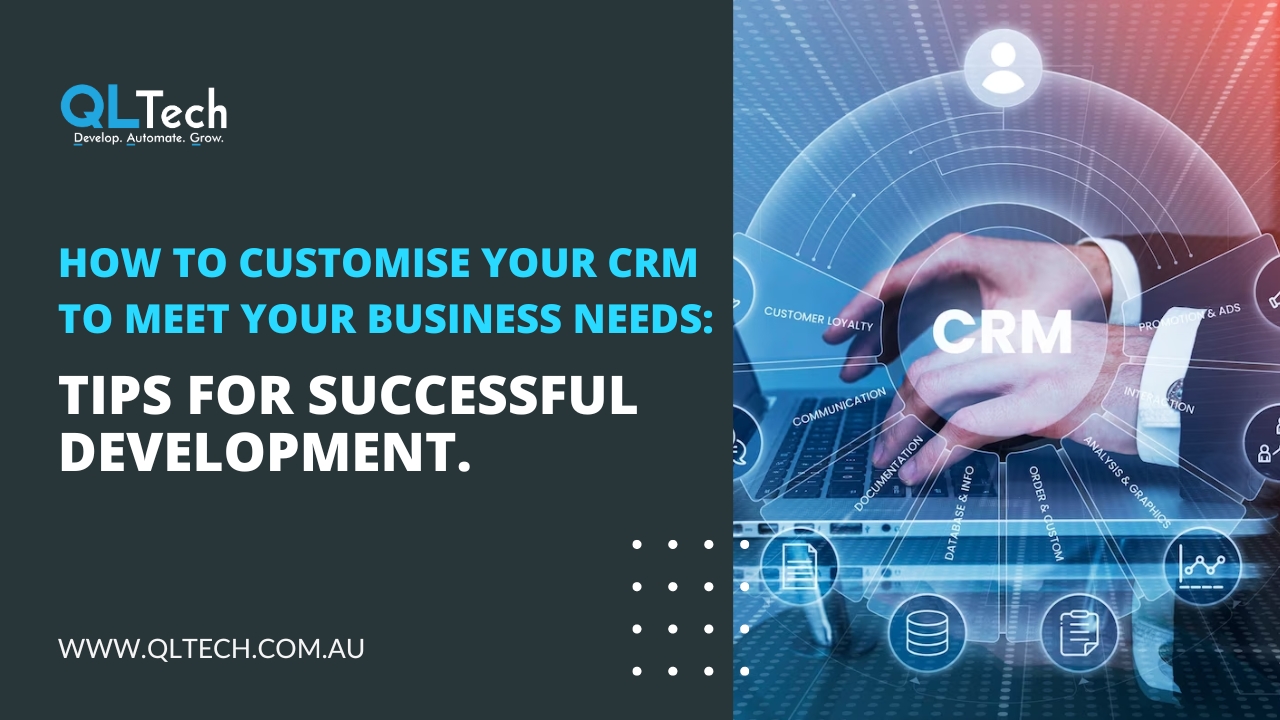
How to customise your CRM to meet your business needs: Tips for successful development.

As your business grows, your customer relationship management (CRM) needs will evolve as well. To ensure that your CRM system meets your business needs, it’s important to customise it. Customisation can help you automate tasks, streamline workflows, and improve customer satisfaction. In this blog, we will discuss some tips for successful CRM development and how to use keywords and metadata to optimise your efforts.

Define your business requirements: The first step in customising your CRM system is to define your business requirements. This involves identifying the key features and functionality that you need to manage your customers effectively. Some important features to consider include contact management, lead management, opportunity tracking, and sales forecasting.

Identify your customisation options: Once you’ve defined your business requirements, the next step is to identify the customisation options available to you. Depending on your CRM system, you may have different customisation options such as custom fields, custom objects, and custom workflows.

Develop a customisation plan: After identifying your customisation options, the next step is to develop a customisation plan. This involves creating a roadmap that outlines the specific customisations you want to make and how they will be implemented.

Test your customisations: Once you’ve made your customisations, it’s important to test them thoroughly. This will help you identify any issues or bugs before they impact your customers.

Train your team: Finally, it’s important to train your team on how to use the customised CRM system. This will ensure that everyone is on the same page and that the system is being used effectively.

Join our community and never miss an update! Subscribe to our newsletter and blog to stay up-to-date on the latest trends, tips, and insights in your area of interest. Don’t miss out on exclusive content and promotions. Sign up now and be a part of our growing community!